
View Review
TruSkin
TruSkin Vitamin C Serum
A budget-accessible vitamin C serum — worth checking the ingredient list for stabilizers like ferulic acid, since pure L-ascorbic acid degrades quickly once opened.
Type at least 2 characters to search
Skincare
Targeted serums for specific skin concerns: retinol, vitamin C, niacinamide, and more.
58 products reviewed
TruSkin
A budget-accessible vitamin C serum — worth checking the ingredient list for stabilizers like ferulic acid, since pure L-ascorbic acid degrades quickly once opened.
SkinCeuticals
Based on a Duke University patent combining 15% L-ascorbic acid with vitamin E and ferulic acid at a specific pH — widely cited as the benchmark formulation in vitamin C research.

Maelove
Frequently compared to SkinCeuticals C E Ferulic for a fraction of the price — a useful case study in how formulation science, not just brand name, drives efficacy.

Ole Henriksen
Combines vitamin C with banana extract, which contributes mild brightening compounds alongside the primary antioxidant action.
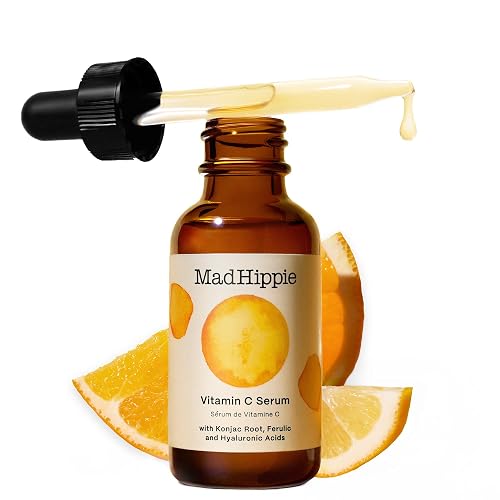
Mad Hippie
Uses sodium ascorbyl phosphate, a more stable but generally gentler vitamin C derivative — a reasonable choice for sensitive skin that reacts to pure L-ascorbic acid.

The Ordinary
One of the most studied combinations in accessible skincare — niacinamide regulates oil while zinc adds mild anti-inflammatory support, backed by real clinical data on acne reduction.
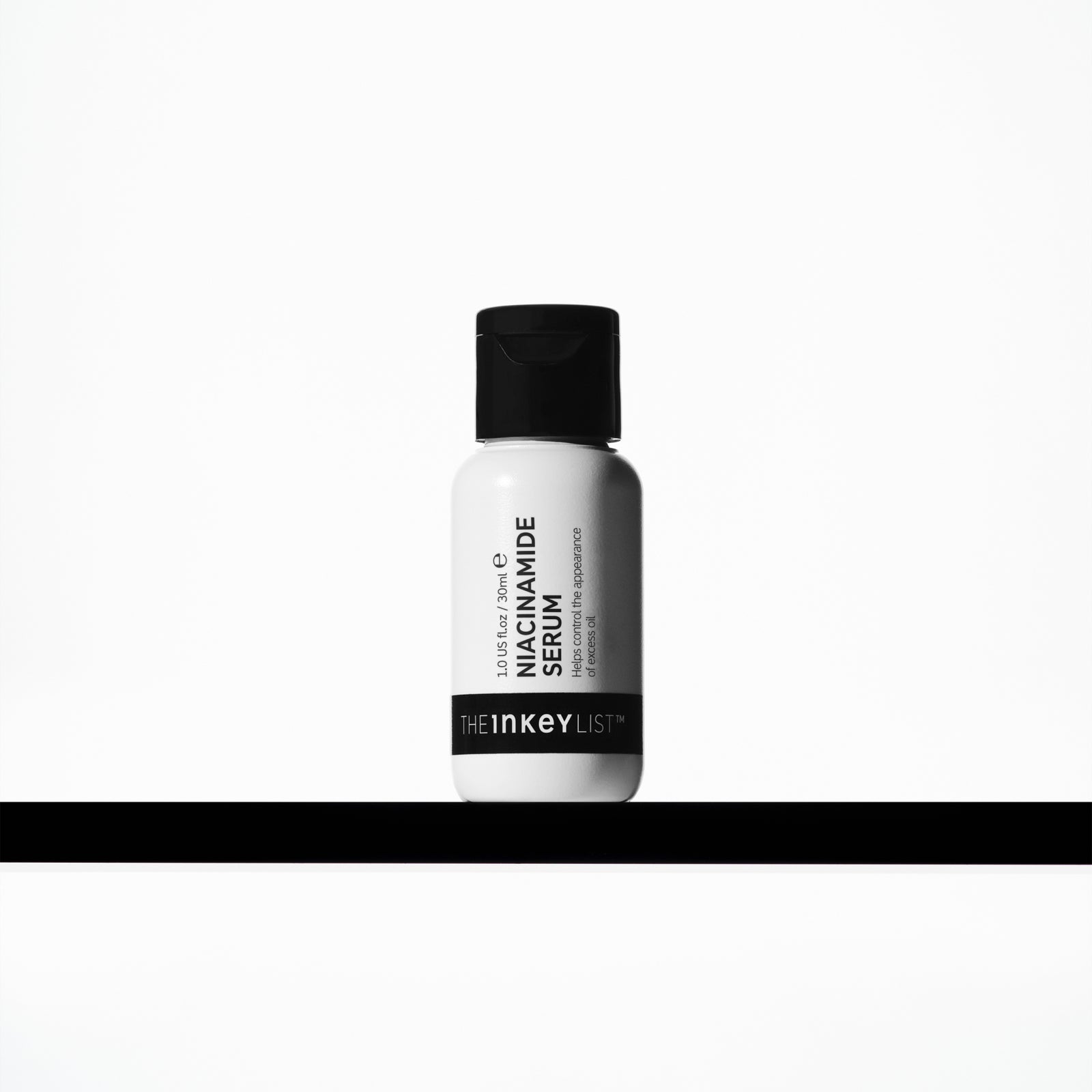
The Inkey List
A straightforward 10% niacinamide serum — worth noting that beyond roughly 5%, higher percentages show diminishing returns in most studies, so 10% is already well past the effective threshold.
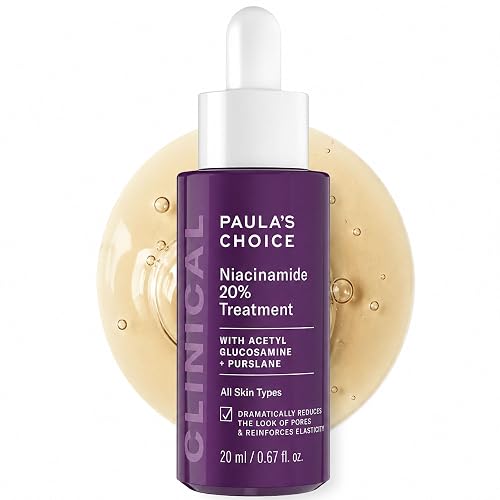
Paula's Choice
Designed as a 'booster' to mix into other products or layer alone — a flexible way to add niacinamide to a routine without replacing an existing moisturizer.

Anua
Pairs niacinamide with tranexamic acid, which works through a completely different pathway — inhibiting the enzyme that triggers melanocyte activity rather than blocking pigment transfer.

Minimalist
An Indian skincare brand built specifically around ingredient transparency and concentration disclosure — the formulation quality here is genuinely comparable to Western premium brands.
La Roche-Posay
At 0.3% retinol with time-release encapsulation and niacinamide added to offset irritation, this is a genuinely sensible entry point for first-time retinoid users.

RoC
RoC has one of the longest continuous track records of retinol clinical testing in drugstore skincare, dating back decades before retinol became mainstream.
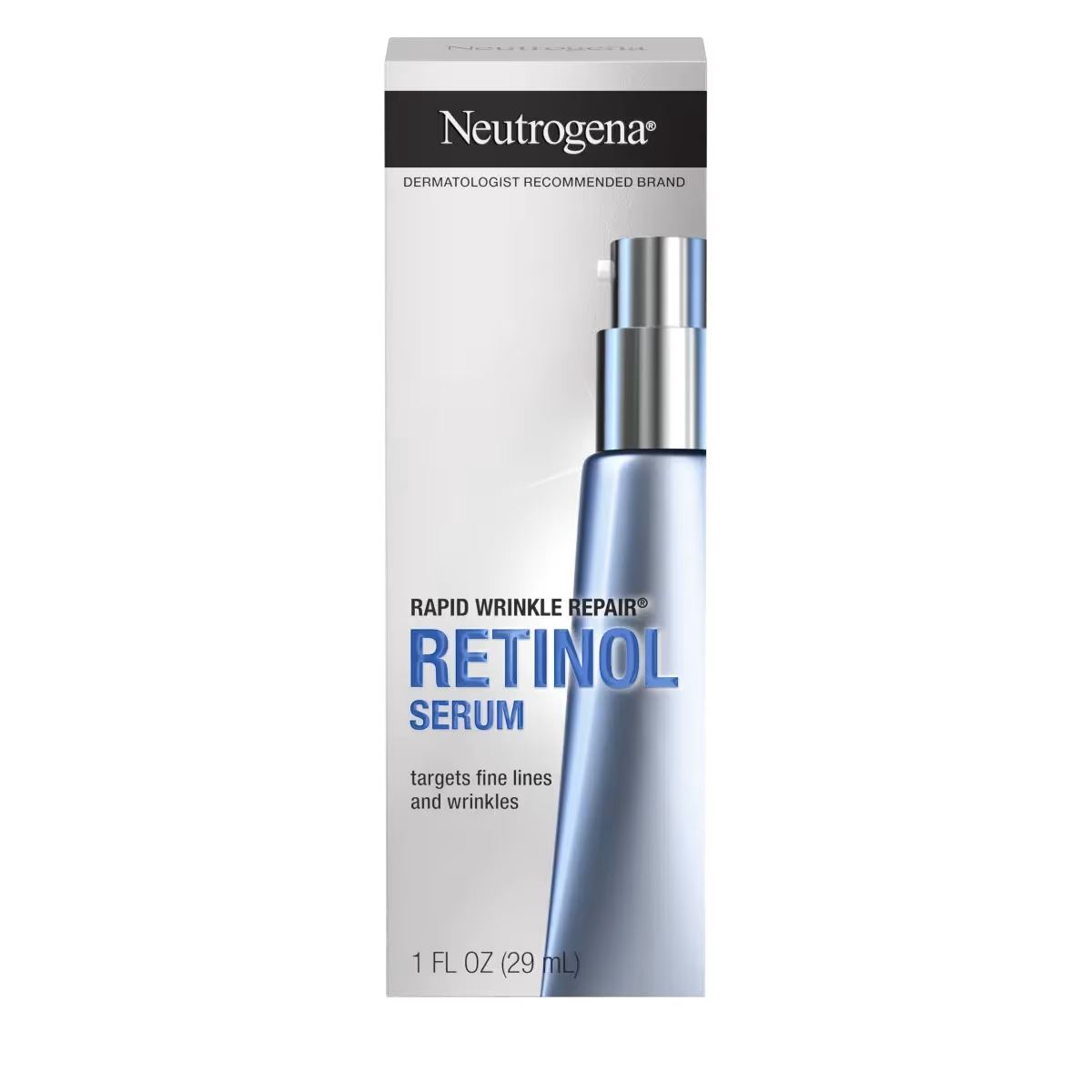
Neutrogena
Uses an accelerated retinol SA delivery system designed to speed up how quickly the retinol converts to its active form in skin.

Olay
Olay's retinol formulas have performed well in independent Consumer Reports testing against far pricier competitors, largely due to consistent, well-funded formulation research.
Celimax
Retinal requires one less conversion step than retinol to become active in skin, making 1% retinal roughly equivalent in potency to a much higher percentage of retinol.
Avene
Formulated specifically for sensitive and rosacea-prone skin that wants retinaldehyde's benefits without the irritation typical of standard retinoid formulas.

Paula's Choice
Widely considered the benchmark BHA product because it's formulated at the correct pH for salicylic acid to actually work — many competing products use the same 2% concentration at a pH too high to be effective.
Stridex
A classic American drugstore acne treatment — pre-soaked pads make application simple, though the alcohol base can be drying with daily use.

The Ordinary
A no-frills 2% salicylic acid formula — effective, though worth patch-testing since it lacks the soothing additions some other BHA products include.
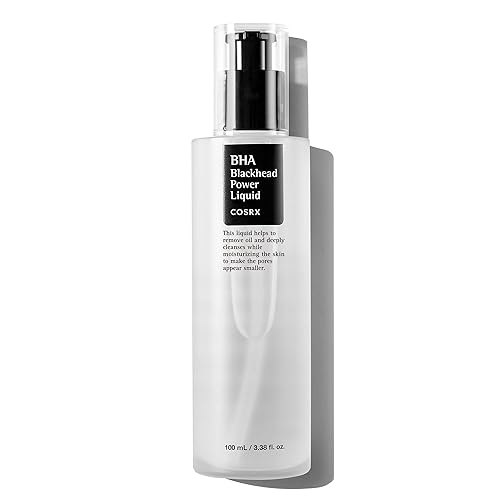
COSRX
Uses betaine salicylate, a gentler salicylic acid derivative popular in K-beauty formulations, offering similar pore-clearing action with less potential irritation.

The Ordinary
A high-concentration at-home peel meant for occasional use (once weekly at most) rather than daily incorporation — start conservatively given the strength.

Drunk Elephant
Combines multiple AHA types — glycolic, tartaric, citric, lactic — in one formula, theoretically offering a broader resurfacing effect than any single acid alone.

Glow Recipe
Part serum, part illuminating drop — niacinamide's oil-regulating benefits combined with a cosmetic glow effect from light-reflecting particles.

The Inkey List
A no-frills hyaluronic acid serum — remember to apply to slightly damp skin, since HA draws water from wherever is nearest, including the air or your skin's deeper layers if the surface is dry.

Neutrogena
A drugstore hyaluronic acid serum that performs comparably to far more expensive prestige versions — the ingredient itself doesn't vary dramatically by price point.
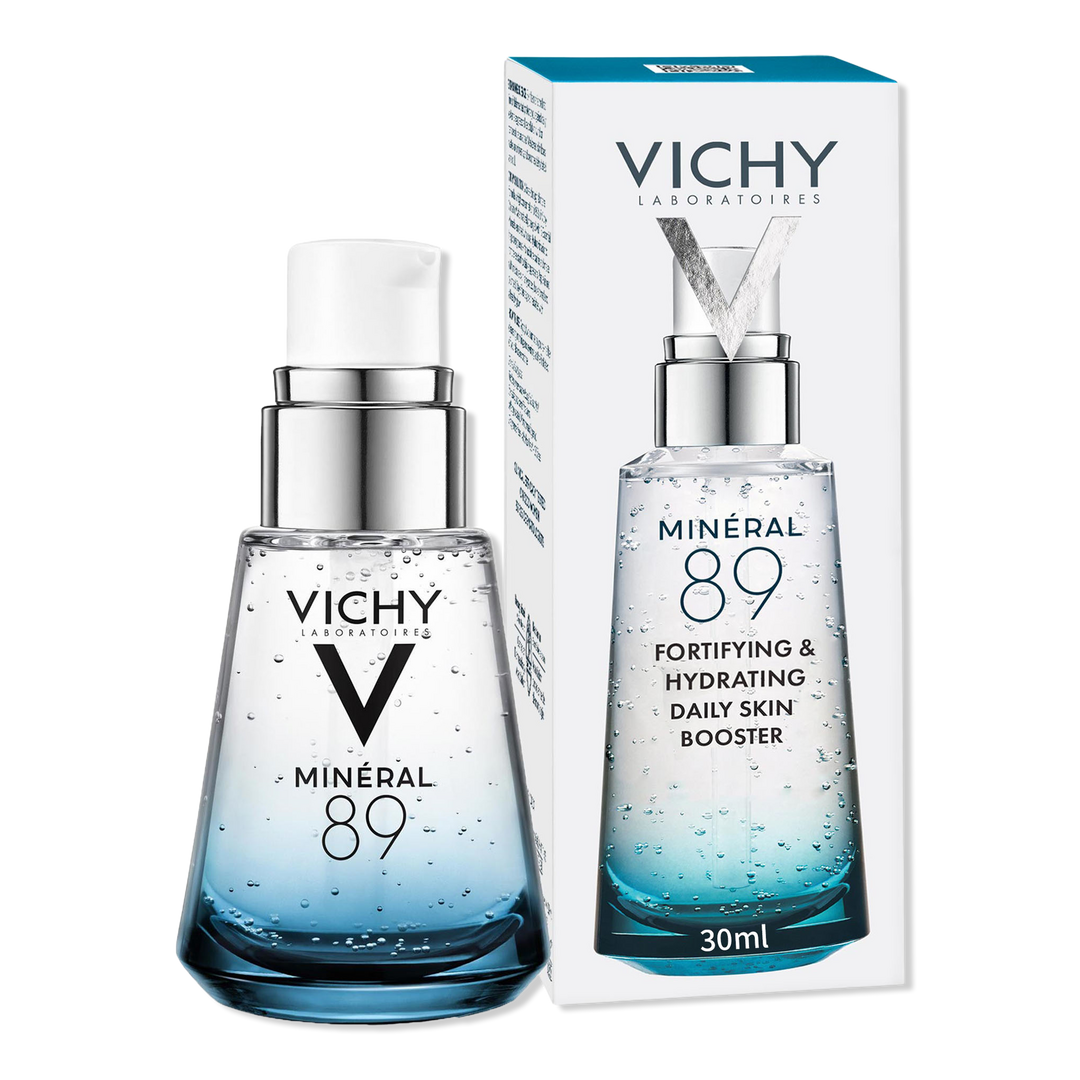
Vichy
Combines hyaluronic acid with Vichy's mineralizing thermal water, the brand's signature ingredient across its entire range.

Olay
Built on Olay's Amino-Peptide Complex II, one of the more extensively clinically tested peptide blends available at a drugstore price point.

The Inkey List
Uses Matrixyl 3000, the peptide complex with perhaps the strongest independent clinical evidence for stimulating visible collagen production.

Peter Thomas Roth
Combines 21 different peptides — an approach that trades focused dosing of any one peptide for broad-spectrum signaling across multiple collagen and elastin pathways.

Drunk Elephant
Combines signal peptides with protein fractions from pea, giving both the messaging signal and some of the raw amino acid building blocks collagen production requires.

The Ordinary
An underrated multitasker — azelaic acid treats rosacea, mild acne, and post-inflammatory pigmentation simultaneously, and is one of the few actives safe during pregnancy (confirm with your doctor).

Paula's Choice
A higher-concentration azelaic acid formula in a booster format, allowing flexible layering into an existing routine.
Naturium
Tranexamic acid interrupts the plasmin pathway that stimulates melanocyte activity — a genuinely different mechanism from most other brightening actives, useful for melasma specifically.

Topicals
Formulated with darker skin tones specifically in mind, where hyperpigmentation often persists longer and standard brightening advice frequently underperforms.

CeraVe
Uses encapsulated retinol wrapped in a ceramide-friendly delivery system, designed to reduce the irritation that turns many people off retinoids entirely.

Versed
At a gentle 0.25%, this is deliberately positioned as a true beginner formula — the lowest meaningful retinol dose worth starting with.

Elizabeth Arden
Single-use capsules keep retinol fresh until the moment of use, avoiding the gradual degradation that happens every time a retinol bottle is opened to air.

Shani Darden
Combines 0.5% retinol with 2% lactic acid — a facialist-designed formula meant for skin already adapted to standard retinol.
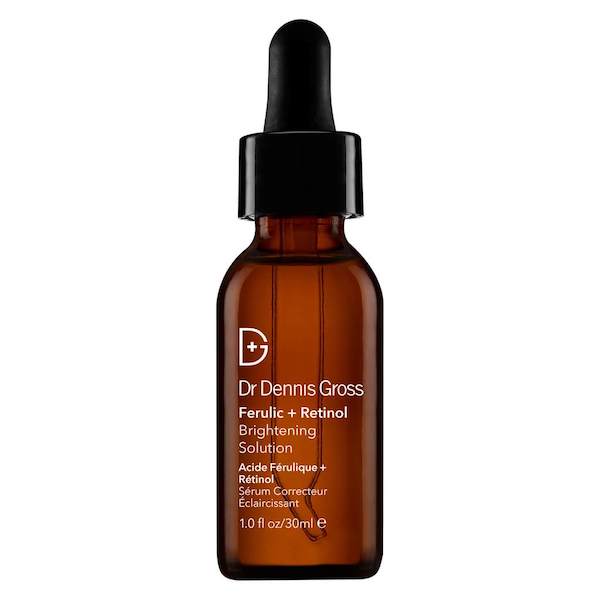
Dr. Dennis Gross
Ferulic acid stabilizes and enhances retinol's effectiveness while adding its own antioxidant action — the two ingredients genuinely work better together than either alone.

Herbivore
Bakuchiol has shown comparable results to retinol in some head-to-head studies without the photosensitivity — though results generally take longer to appear.
Naturium
An accessible entry point into bakuchiol for anyone pregnant (confirm with your doctor) or unable to tolerate standard retinoids.

Good Molecules
Tranexamic acid at a genuinely low price point — worth checking where it sits on the ingredient list, since concentration still matters even at accessible pricing.
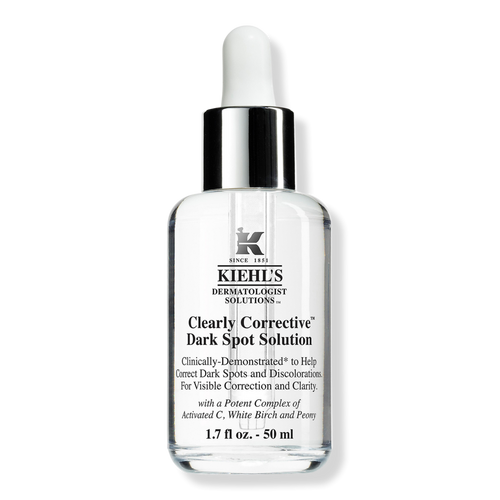
Kiehl's
Combines white birch extract with an activated vitamin C derivative, targeting dark spots through two complementary brightening mechanisms.
Estee Lauder
Marketed around 'Chronolux Technology' and repair-signaling claims — a long-running, heavily-researched formula, though the specific DNA-repair language is more marketing framing than a distinct mechanism from other antioxidant-rich night serums.
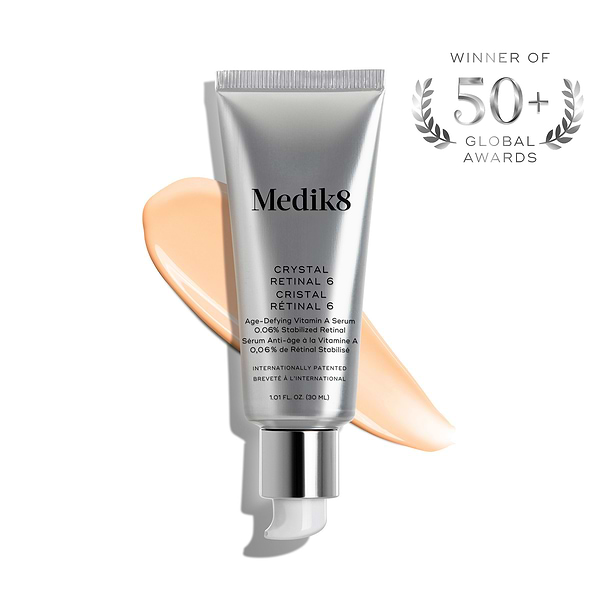
Medik8
Medik8's numbering system (1 through 10) indicates retinal concentration — 6 sits in the intermediate range for users who've already built tolerance at lower numbers.
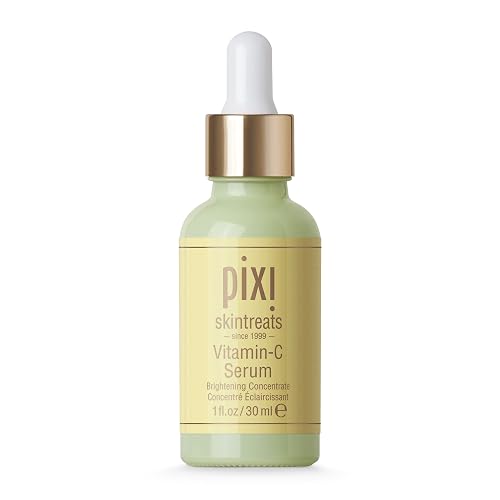
Pixi
Uses a vitamin C derivative rather than pure L-ascorbic acid, trading some potency for significantly better formula stability and less irritation risk.

Isdin
Combines vitamin C with glycosaminoglycans, adding a hydration-focused layer to what's usually a purely antioxidant-focused formula category.
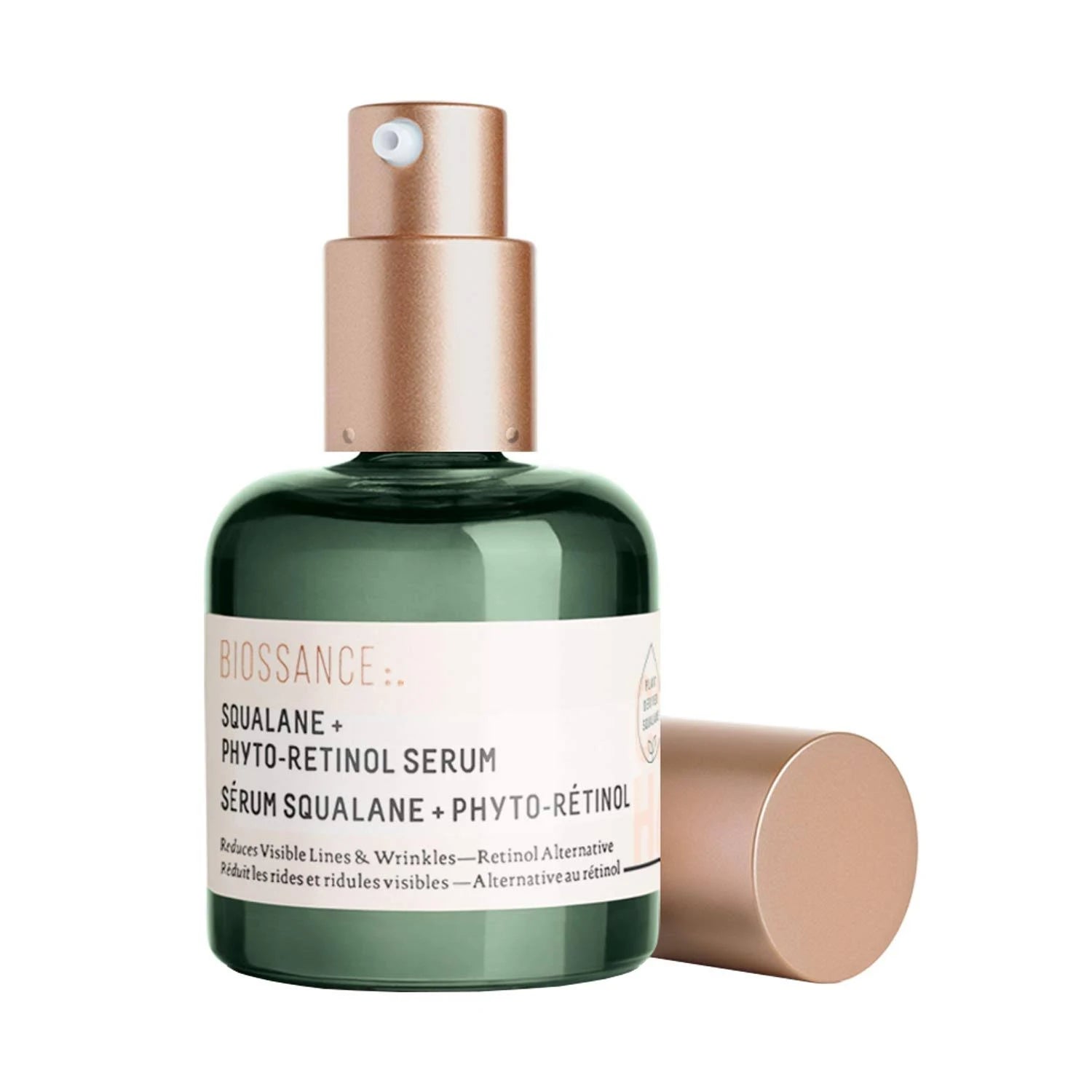
Biossance
Pairs a plant-derived retinol alternative with squalane specifically to offset the dryness that makes many people abandon retinoids in the first two weeks.
Tatcha
Combines 20% vitamin C with 10% AHA in one formula — a high-concentration dual-active approach that suits skin already well-adapted to actives.
Sunday Riley
Uses lactic acid specifically over glycolic — the larger molecule size makes it gentler while still delivering real resurfacing for texture and dullness.
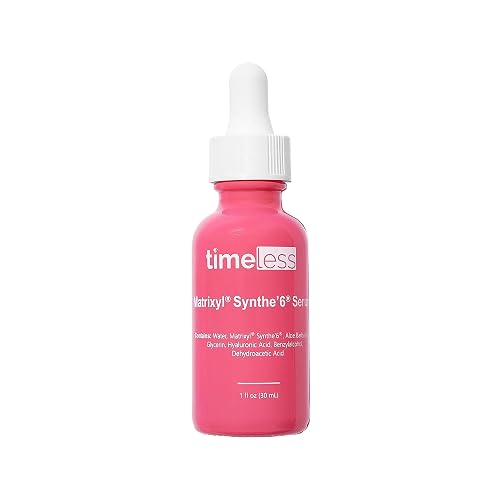
Timeless
CoQ10 supports mitochondrial energy production in skin cells, an antioxidant mechanism distinct from vitamin C or E but complementary to both.
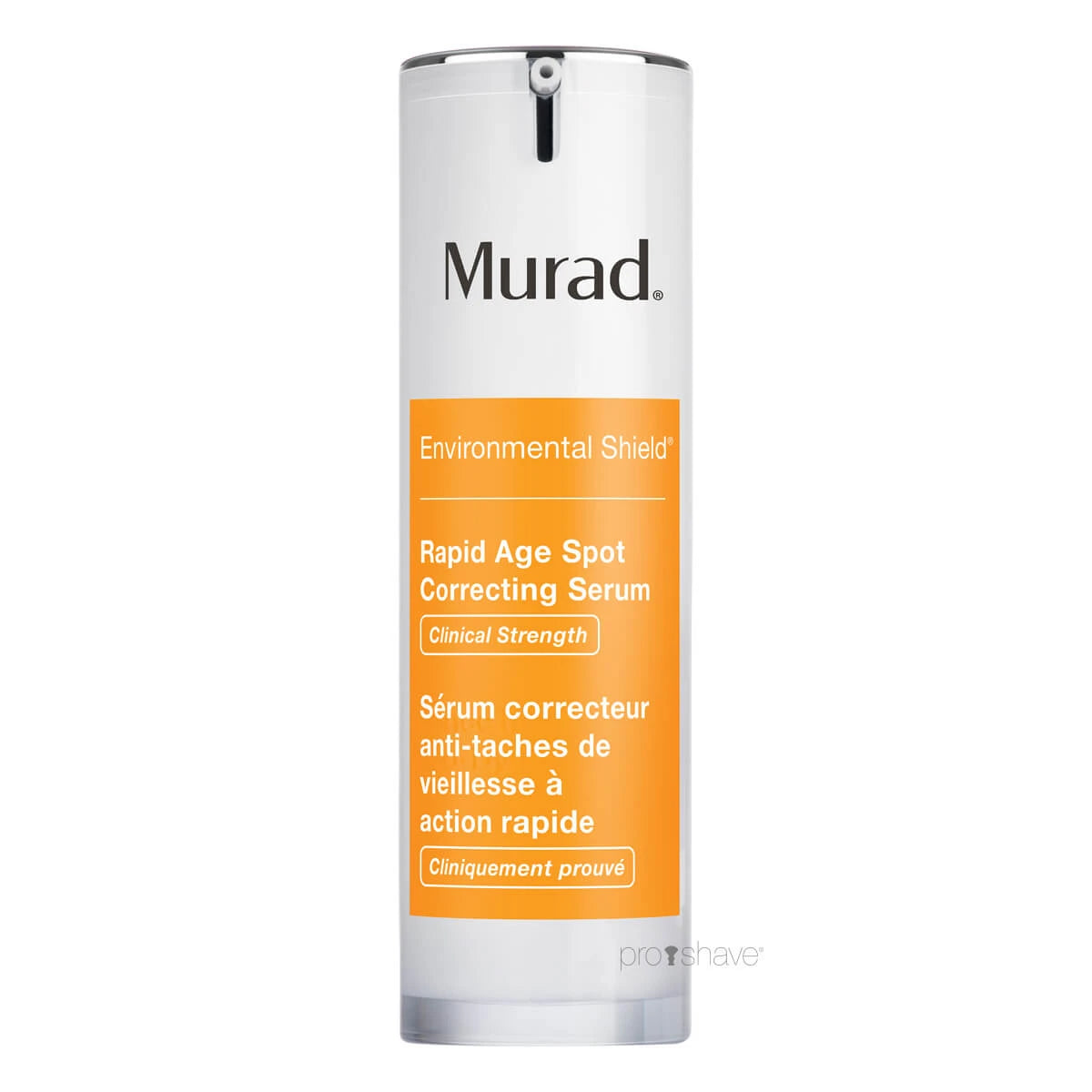
Murad
Combines glycolic acid, vitamin C, and hexylresorcinol — three brightening mechanisms working through different pathways in one multi-action serum.
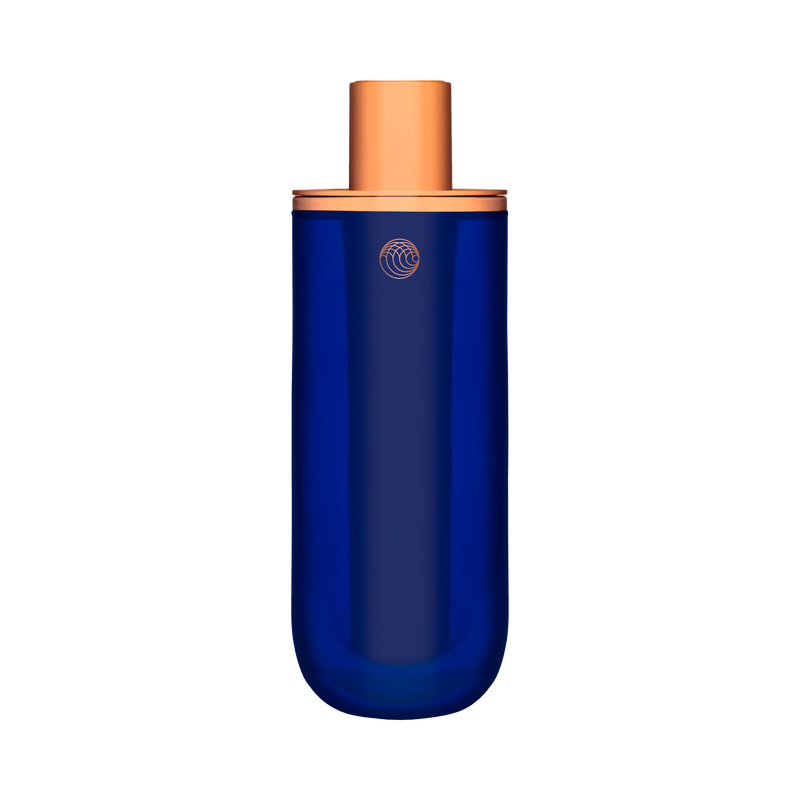
Augustinus Bader
Built on proprietary TFC8 technology with roots in stem-cell research — an ultra-premium formula where the price reflects both ingredient sourcing and brand positioning, not solely a proportional efficacy jump.
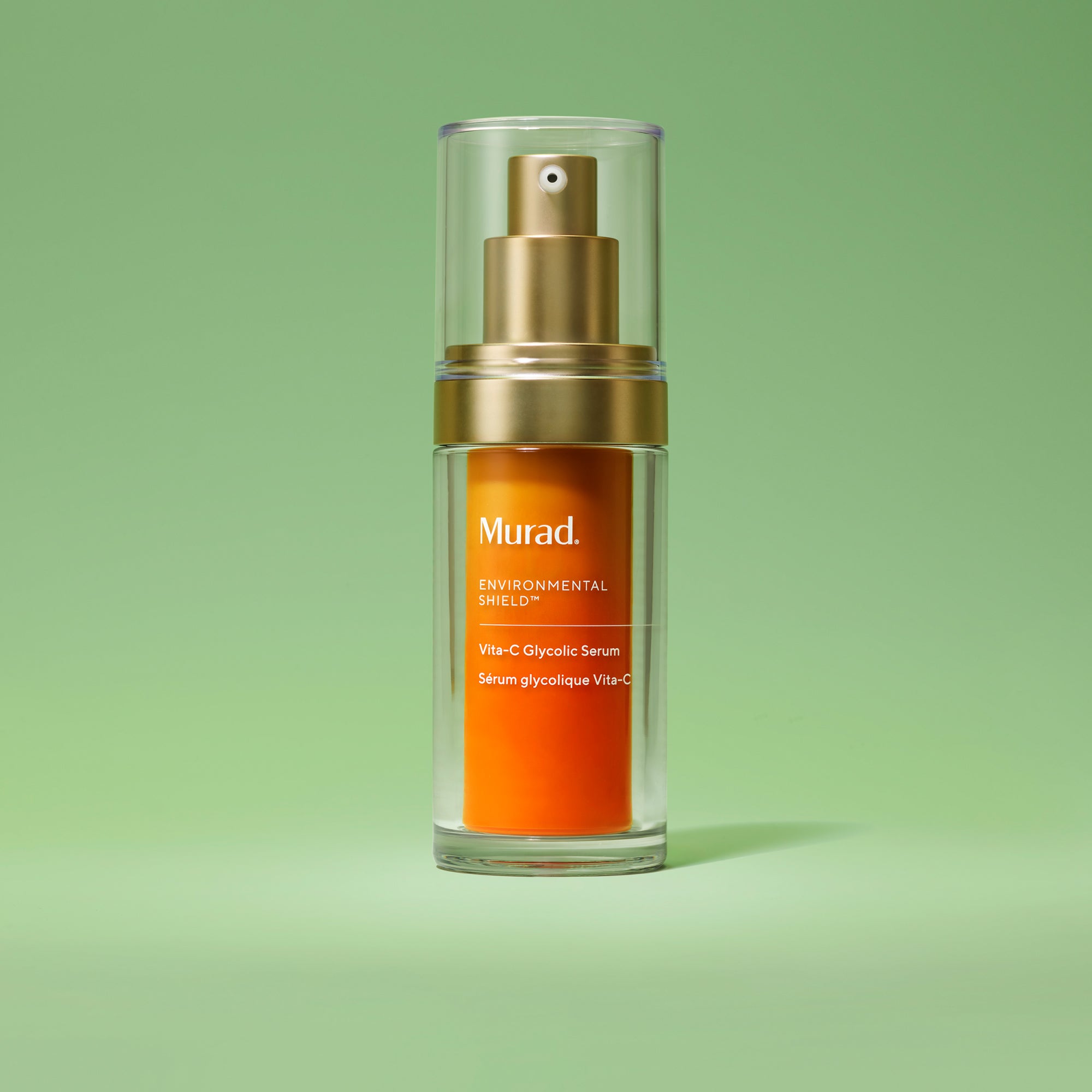
Murad
Pairs vitamin C with glycolic acid for a dual-exfoliant-and-antioxidant approach to dullness and uneven tone.
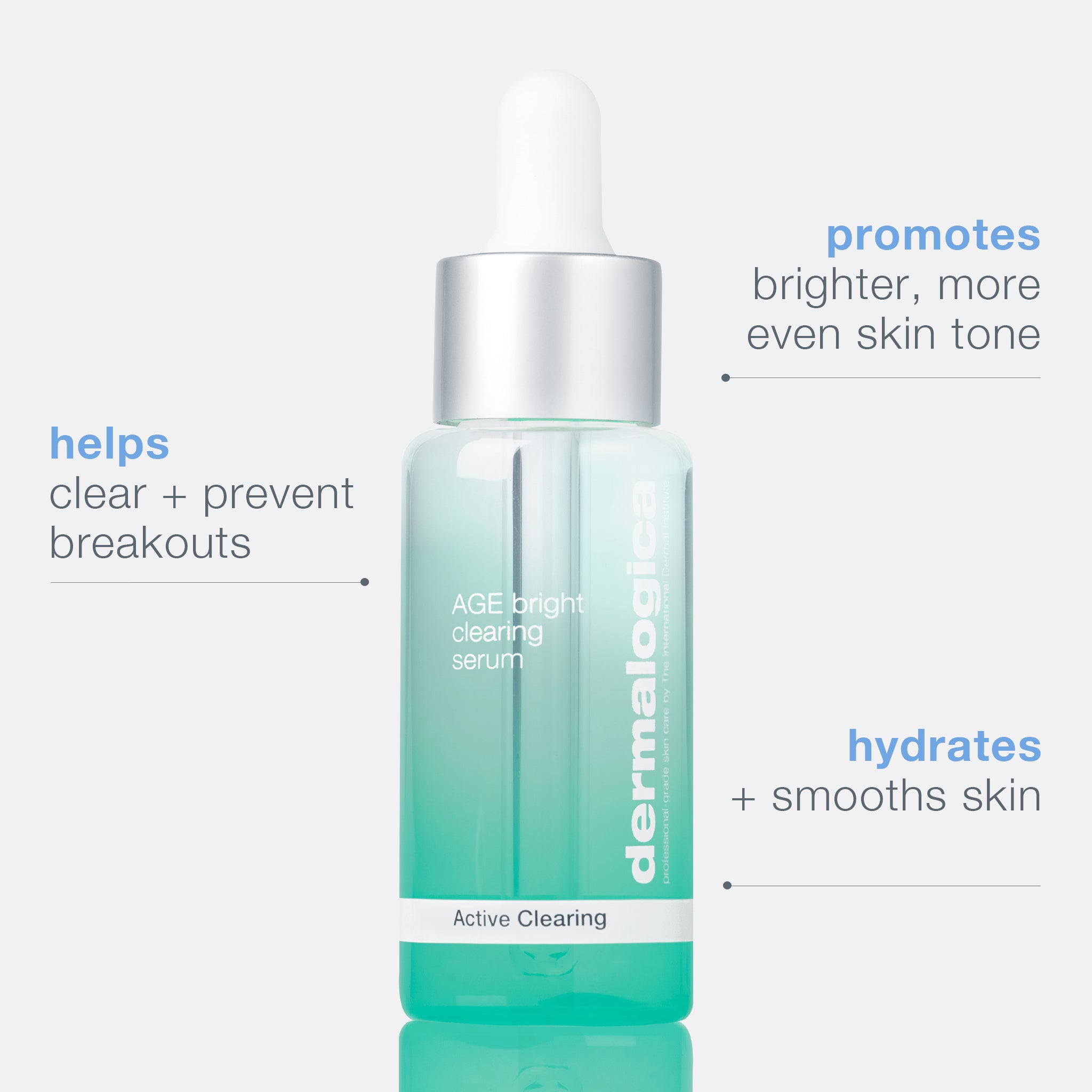
Dermalogica
Combines niacinamide with salicylic acid, addressing both aging and acne concerns simultaneously — useful for the common overlap of adult acne and early aging signs.
Beauty of Joseon
A honey-like serum combining propolis extract and niacinamide for brightening and skin-barrier support.

The Ordinary
A mid-strength retinol solution suspended in squalane for smoother application and reduced irritation.
iS CLINICAL
A professional-grade serum combining sugar cane extract with white willow bark to target fine lines uneven texture and breakouts simultaneously.
More in Skincare